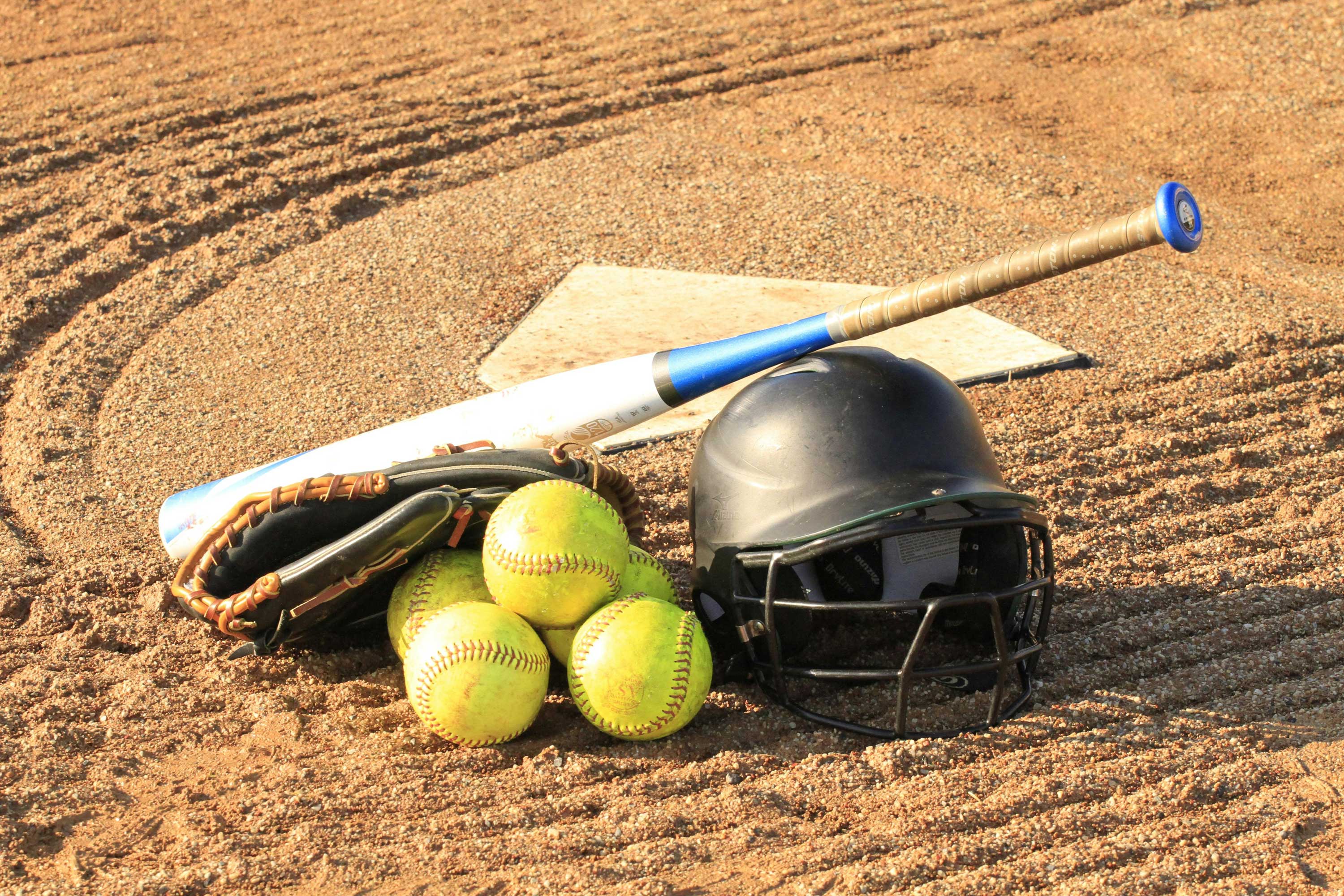
Those early days of spring and late fall afternoons sometime bring cold weather to the softball field. There’s plenty to consider about which gear is best suited for playing in cold weather. Beyond staying warm, the most important consideration is the impact of cold weather on fastpitch softball bats. Not only do you need to decide which bat is best for the weather, you also need to keep in mind a few best practices for maintaining a softball bat in extreme climates.
Below we down everything you need to know about using your softball bats in cold weather.
What’s the relationship between fastpitch softball and cold weather?
Cold weather takes some of the fun out of fastpitch softball. Many softball players detest playing in cold weather because of the damage it can cause to their equipment, particularly softball bats.
Fastpitch softball bats and cold weather have a direct adverse relationship. The lower the air temperature, the worse your bat performS. Using a fastpitch softball bat in low temperatures can even cause cracking and denting in a bat, resulting in the need to replace equipment.
What is considered a low temperature for a fastpitch softball bat?
Fastpitch softball equipment manufacturers usually warn that temperatures below 60 degrees Fahrenheit (15.5 degrees Celsius) may negatively affect bat performance. Some even advise players to avoid using bats at all when the temperature drops below 50 degrees Fahrenheit (10 degrees Celsius).
What happens to softball bats in cold weather?

Softballs can be the cause of damage to bats, rather than just the cold weather alone. Materials like string and leather are react to lower temperatures by becoming more rigid. Even if your aluminum or alloy bat barrel is sturdy, a cold ball will stress the material more than hitting in warmer temperatures.
Fastpitch softball and baseball bats designed to resist cracking and denting are available, but their performance against a cold ball is not guaranteed. When temperatures are low, the ball jumps off the bat at a higher speed. The barrels of softball and baseball bats, designed to flex, produce a more significant trampoline effect in cold weather.
While faster balls and more distance are things to strive for when swinging a bat, using bats in cold weather can lead to damage and safety issues. According to manufacturers, bats that are unaltered, rolled, or shaved must not be used in low temperatures at all.
What kind of bats are best to be used in cold weather?
No bat is completely safe to use in temperatures below 50 degrees. If you plan to play in cold weather, leave your favorite bat at home.
Even though aluminum bats are better at resisting low temperatures than composite bats, avoid using them in cold weather. Despite their sturdy construction, aluminum bats can still sustain damage.
When cold softballs hit composite bats, the impact is more significant and can lead to cracks. Aluminum bats tend to get dented and bent when hit by cold softballs. Using both types of bats in cold weather could lead to damage, breaking, or injury.
Fastpitch bats with thin or single walls are more prone to damage than bats with thicker or multi-layer walls.
Wooden bats are not immune to the effects of cold weather either. In low temperatures, wood can become dry and brittle, which increases the risk of cracking or breaking. Wooden bats are also not guaranteed to perform well in cold conditions.
How can you use fastpitch bats in cold weather?
The best way to maintain your fastpitch softball bat in cold weather is not to use it. Bat warmers are beneficial to some extent but do not prevent or counter the damage done by a cold softball upon impact. As long as the softballs are cold, there will always be risks when using your softball bat.
Final Thoughts:
When playing fastpitch softball in cold weather, keep these in mind:
- Bats have a higher risk of cracking in temperatures below 60 degrees Fahrenheit (15.5 degrees Celsius).
- Bat warmers are better than nothing, but a cold softball can still significantly damage a warm bat.
If it’s necessary to practice or play with your fastpitch softball bat in cold weather:
- Keep a backup bat for cold weather. Save your favorite bat for warmer parts of the season.
- Store softballs indoors to reduce the impact of cold.
- Practice in a heated indoor space or indoor batting cage when the weather doesn’t cooperate.
Using a bat in cold weather can cause irreversible damage. If your area is naturally colder throughout the year, be sure to check the temperature before practice and plan accordingly.